New Cognizant research finds employees are ahead of their employers on AI, and the sanctioned tools are the bottleneck. Other surveys show where the unmet demand goes instead: unapproved apps, public models, and a growing pile of company data outside the firewall.

Key Takeaways
For three years the standard story about workplace AI has been one of reluctant adoption: leaders buy the tools, employees drag their feet, and change management closes the gap. The latest data turns that story around. Employees are not the brake. They want more AI than their jobs allow, they find the approved tools inadequate, and a large share of them have already gone around the official channel to get what they need. For operations leaders, that changes the problem from driving adoption to governing demand that is already running ahead.
Cognizant’s study, released October 9 under the title “New Frontiers, New Frictions: Mapping the DNA of AI Adoption”, finds that four out of five employees want to use AI more than their current job permits. Satisfaction with the tools they have been given is low across the board: between 72% and 82% of workers in every employee archetype the study defines say their current AI tools do not meet their needs. One group, which Cognizant calls Precisionists, reported just 28% satisfaction with its tools.
The study also challenges how most companies target their AI programs. A worker’s disposition toward AI turned out to be roughly six times more predictive of how they actually use it than where they sit in the organizational hierarchy. Rollouts sequenced by seniority or department, in other words, are organized around the wrong variable. “Our research finds that people are ahead of their employers,” said Ravi Kumar S, Chief Executive Officer of Cognizant. “Willingness is the hardest part of any technology shift, and it’s already in hand.”
The most telling detail is what limits the heaviest users. Among the most advanced groups, which Cognizant labels Accelerators and Architects, 33% point to missing context and a lack of customization as the top factor holding back their AI use. And 87% of Architects say they turn to unsanctioned tools when the approved options fall short. The people getting the most out of AI are the ones most likely to leave the official stack to do it.
Other recent research shows how far that leak has already spread. A PagerDuty survey conducted by Wakefield Research of 1,250 office professionals at companies with annual revenue of $500 million or more, excluding IT and technology roles, found that two-thirds have used AI tools at work even though they believed doing so was not permitted under company policy. That is not for lack of rules: 86% say their organization has AI policies in place.
The data exposure is concrete. 88% of respondents have shared work-related information with public AI tools. 43% have shared emails or other correspondence, 40% have shared meeting notes or summaries, 34% have entered customer data, and 31% have shared financial information or confidential company documents and strategies. Employees also see the rules as unevenly applied: 81% believe leadership operates under a different set of AI rules, and 72% believe they know AI better than their own tech teams. Restrictions carry a retention cost too. 77% say AI policies limit their professional growth, and 75% would be likely to look for a new job that offered better AI skills development.
Glean’s Work AI Index 2026, based on a survey of 6,000 full-time digital workers in the U.S., U.K. and Australia, puts the shadow share at 38% using unapproved tools, with another 37% using approved tools in noncompliant ways. 32% hide how much they use AI. As in the Cognizant data, the strongest performers are the likeliest to go off the books: high AI achievers use unapproved tools at a rate of 43%, against 28% for everyone else.
The Glean data also explains why the sanctioned tools disappoint. 53% of workers say critical information they need is not accessible through their AI systems, and feeding context to AI is the single largest category of what the report calls botsitting, the time spent making AI usable, at 2.3 hours a week. The authors make the distinction plainly: giving AI access to data is not the same as giving it context. Workers in context-rich organizations are 64% less likely to feel worn out by AI.
Tool sprawl compounds the problem. 77% of AI users juggle multiple tools each week and 33% use four or more. 60% rerun the same prompt across several tools because the first answer was not good enough, and workers on multiple tools are 35% more likely to report frequent botsitting. The report’s name for the cumulative cost of switching between disconnected tools is the AI toggle tax. Every unsanctioned app an employee adds to fill a gap in the official stack raises that tax for them and fragments the data a company would need to give its approved tools better context.
The companies that come out ahead will not be the ones with the tightest AI restrictions or the longest list of approved vendors. They will be the ones that notice their workforce has already voted, read the shadow usage as a demand signal, and build the sanctioned stack people would choose on their own. Four in five employees are asking for more. The only question is whether they get it inside the company’s tools or outside them.

Guide
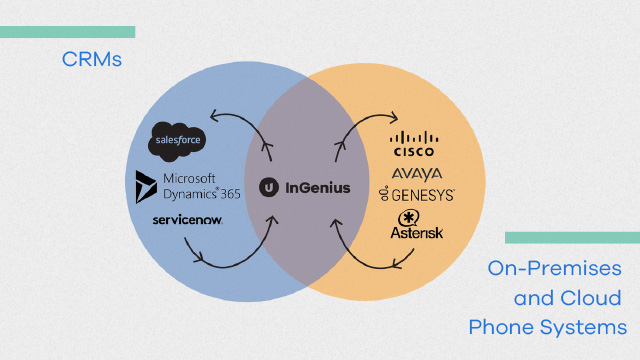
Missing context is the top limit cited by the heaviest AI users. This guide shows how integrating CRM and contact center systems builds the data foundation that sanctioned AI tools need before they can deliver a return in service operations.
Download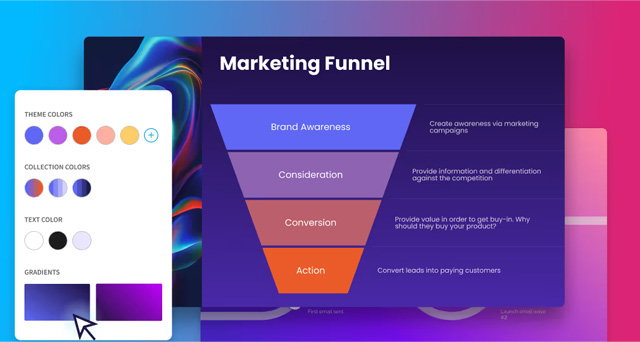

Guide
When 38% of workers use unapproved AI tools, company content gets produced outside any template or standard. This guide explains why enforcing brand consistency at the template level is what keeps AI-generated work recognizable.
Download

Research
The AI toggle tax is the newest layer on an older problem: too many platforms splitting attention. This research traces how tool proliferation became a leading driver of fragmented focus and lost productivity.
Download
Zingtree finds 50% of consumers repeat themselves after an AI-to-human transfer, and nearly 9 in 10 tell Alchemer AI has hurt their service experience. The fix sits in the handoff, not the bot.
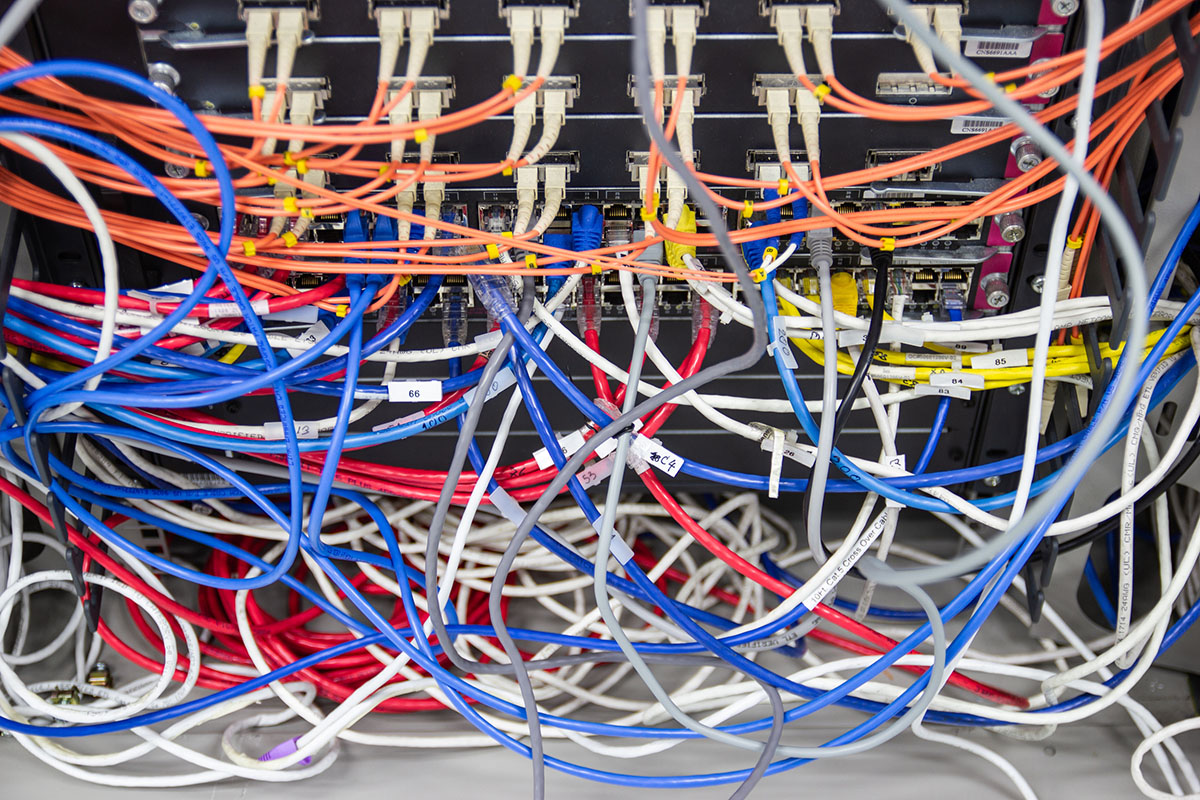
Gartner expects AI spending to jump 49.5% this year, largely through software companies already own. Workday’s research shows the cost when those tools stay disconnected: a workday a week spent gluing systems together.

A survey of 2,527 enterprise leaders finds 74% have shut down or rolled back a live AI customer agent, and the best-governed programs roll back most often. Nearly all are raising the budget anyway.
