Gartner expects AI spending to jump 49.5% this year, mostly through software companies already own. Workday’s research shows what that money buys when the tools stay disconnected: a workday a week spent gluing systems together.
Key Takeaways
The money is arriving faster than the integration work. Gartner now expects the world to spend $2.7 trillion on AI this year, and a growing share of it is going into products companies already run. Yet the people using those tools are describing something different from a productivity boom: a working week stitched together by hand, one copy and paste at a time. For operations leaders, the gap between those two facts is the real budget story.
Gartner’s September forecast puts 2026 AI spending at $2.7 trillion, a 49.5% increase, with growth of 36.2% to follow in 2027, CIO reported on September 23. AI infrastructure spending is set to grow 51.2%, AI software 60.2%, and spending on AI agents and assistants 77.3%. Gartner Distinguished VP Analyst John-David Lovelock described the data center buildout as the largest infrastructure project humanity has ever undertaken.
The more useful detail for operations teams sits underneath the headline. Techstrong’s coverage notes that generative AI is entering the Trough of Disillusionment in 2026, and that enterprises are responding by adopting agentic AI embedded in the platforms they already use to improve efficiency and automate workflows. Mitch Ashley of The Futurum Group put the buyer’s view bluntly: for CIOs, much of the increase beyond infrastructure is a price rise on software they already own.
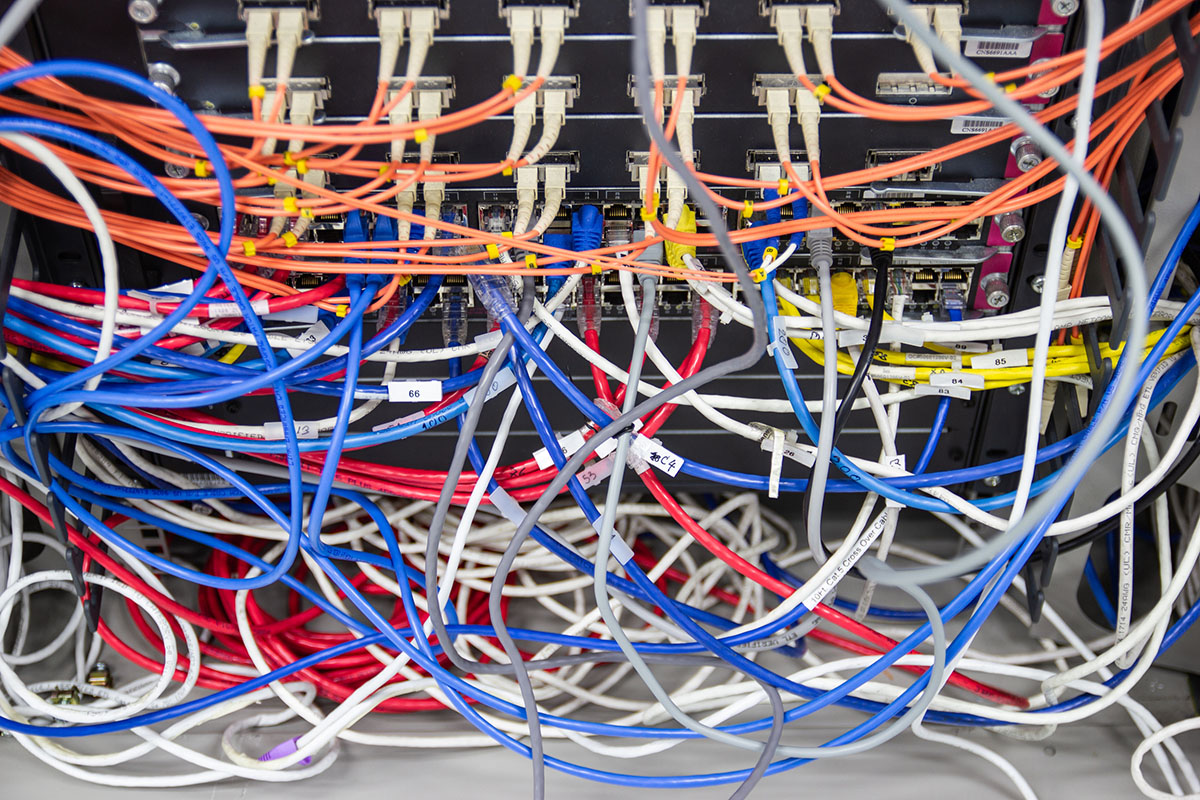
That is the important shift. The AI most employees touch is no longer a pilot they chose. It is a feature that arrived inside the CRM, the HR system, the ticketing tool and the chat platform, each with its own assistant, its own data and its own logic.
Workday’s research shows what that looks like at the desk. In a survey of 2,400 UK professionals in finance, HR, IT and operations at organizations with 500 or more employees, Workday found that employees spend nearly a full workday each week managing disconnected AI tools. One in four spend seven or more hours a week copying information between applications. Sixty percent say they often or very often have days that are busy but not productive, compared with 43% globally, and 77% report stress from navigating disconnected tools.
Workday’s Daniel Pell, vice president and country manager for the UK and Ireland, gave the pattern its name: “Too many employees are serving as the human middleware between disconnected AI systems.” The survey was fielded in March and published in May, so it predates Gartner’s forecast. Read together, the two are a before and after of the same problem. The spending is rising, and the gluing is still done by people.
ITPro’s coverage adds the cost in decisions: three in four workers say choices are delayed when information is missing or unclear. The friction is not only lost hours. It is slower calls made on shakier data.
The same research suggests the answer is architectural, not more software. Only 23% of UK organizations have AI deeply embedded in their core systems. Among employees at those organizations, 57% report reductions of 25% or more in task time, compared with 39% where AI sits outside core systems. Pell’s advice is to build AI into the systems where people, data and work come together rather than adding another application to the pile.
The data layer decides how far that goes. When two systems disagree about a customer, an employee or an order, an assistant on top of either one inherits the disagreement. Companies that treat integration and data quality as the precondition for AI spending, rather than a cleanup task after it, are the ones positioned to turn a rising bill into recovered time.
The $2.7 trillion will be spent whether or not the integration work gets done. The organizations that come out ahead will be the ones that make sure the first thing it buys back is their employees’ time.

Guide
Embedded AI only works when the data underneath it agrees with itself. Gartner’s guide covers the data quality and governance foundations that decide whether a share of that $2.7 trillion pays off or stalls.
Download

Report
Workday’s “busy but unproductive” days are what fragmented coordination looks like from the inside. This report examines how chat sprawl and meeting load fragment focus, and what a consolidated workflow changes.
Download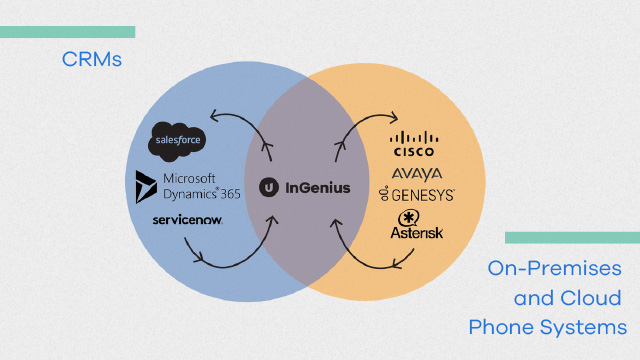

Guide
Copying data between a CRM and a contact center desktop is middleware work done by hand. This guide shows how integrating the two gives AI tools the context they need, so agents stop re-keying it.
Download
A survey of 2,527 enterprise leaders finds 74% have shut down or rolled back a live AI customer agent, and the best-governed programs roll back most often. Nearly all are raising the budget anyway.

The average knowledge worker now navigates 11 different applications to complete a single task. New research links tool proliferation directly to burnout, error rates, and attrition.

Microsoft, Google, Zoom, and a new generation of challengers are fighting for the unified communications budget, and IT and operations leaders are caught in the middle.
